
Marta Bannister Counselling
Therapeutic Counsellor - Online in Wallington, Beddington and across England
I help people navigate moments when their understanding of themselves is changing.
About Me
People often come to counselling because something in their life has changed.
A relationship has ended. Someone important has died. They have become a parent. Their children have grown up and left home. Their health has changed. They have discovered they are neurodivergent. They find themselves navigating perimenopause or another significant life transition.
On the surface, these experiences can look very different.
Yet again and again, I find myself drawn to a similar question:
What happens when the way we understand ourselves begins to change?
Sometimes people come to counselling feeling lost, confused or overwhelmed. Sometimes they arrive carrying questions that don't have easy answers.
Why does everything feel so different?
Why can't I cope in the way I used to?
Who am I now?
These are questions I know something about personally as well as professionally.
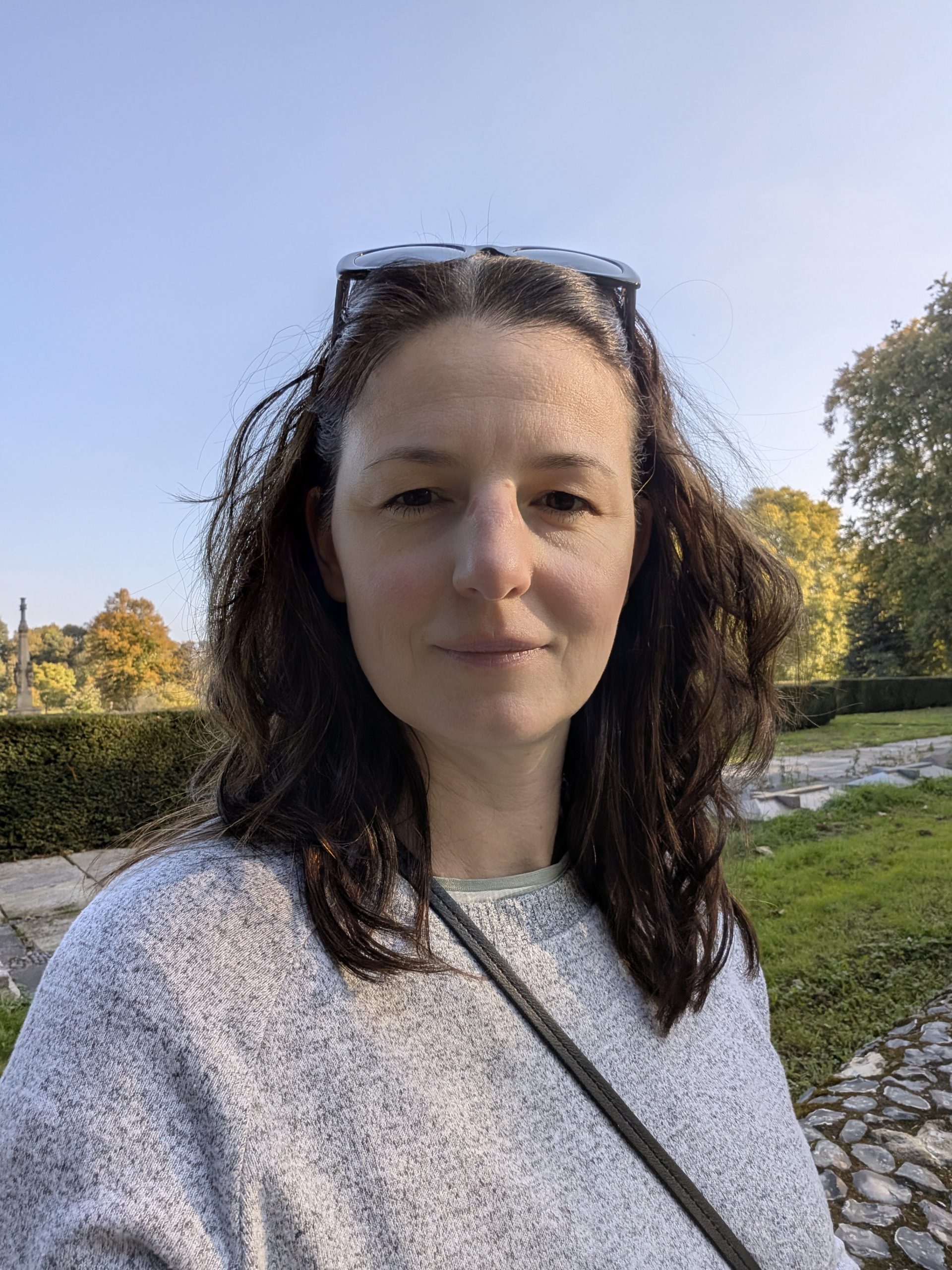
My own experience of therapy came at a time when I was struggling and needed support myself. Sitting on the client side of the relationship gave me a deep appreciation for how powerful it can be to have a space where you can speak openly, think aloud and be met with curiosity rather than judgement.
More recently, my understanding of myself has continued to evolve. As a late-discovered AuDHD woman navigating perimenopause, I have experienced first-hand what it can feel like when familiar ways of coping no longer seem to work and long-held assumptions about yourself begin to shift.
For me, these experiences have reinforced something I see regularly in my work: that periods of change often affect far more than the circumstances themselves. They can change how we see our past, our future and our place in the world.
This is one of the reasons I am particularly interested in working with grief and loss, neurodivergence, life transitions and identity changes. While these experiences may appear very different on the surface, they can all involve making sense of a changing relationship with yourself.
How I work
I believe that people make sense of their experiences in different ways and that there is no single "right" way to approach counselling.
For me, the foundation of counselling is the therapeutic relationship. Before any deeper work can take place, it is important to build a trusting, supportive environment where you feel safe enough to explore your thoughts, feelings and experiences openly. I see counselling as a collaborative process, and I aim to offer a space where you feel heard, respected and accepted as you are.
My work is grounded in humanistic and psychodynamic approaches, helping us to explore both your present experiences and the ways past relationships, experiences and patterns may continue to influence your life today. I also draw on creative ways of working when they feel helpful, adapting my approach to suit you as an individual and the way your brain works.
I am neurodiversity-affirming and trauma-informed, and I recognise that each person brings their own unique strengths, challenges and ways of understanding the world. I work collaboratively and adapt my approach to meet your individual needs, creating a space where you can explore your experiences in a way that feels meaningful and accessible for you.
Counselling is not about becoming someone different.
Often it is about developing a deeper understanding of who you already are.
If you would like to talk about how I can support you, book your intro call below.
My Qualifications
I qualified in 2023 as Integrative Therapeutic Counsellor following 4 years of training:
- Level 4 CPCAB Diploma in Therapeutic Counselling
- Level 3 CPCAB Diploma in Counselling Studies
- Level 2 CPCAB Diploma in Counselling Skills
My Key Additional Recent Training:
- “Trauma Informed Practice” - 2024
- "Working with Shame" - 2025
- "Working Therapeutically with Autistic Clients" - 2025
- "Walk and Talk Therapy" - 2025
I continue to enhance my knowledge through regular Continued Professional Development (CPD) – a minimum of 30 hours of learning each year.
Registrations
I am registered with the National Counselling and Psychotherapy Association (NCPS) and follow its ethical guidelines in all my work. You can read more about it on the NCPS website.
I am fully insured and, to ensure that I store and process data in accordance with the UK Data Protection Regulation (GDPR), I am registered with the Information Commissioner's Office (ICO).
© Marta Bannister
powered by WebHealer